Cēsis · Latvia
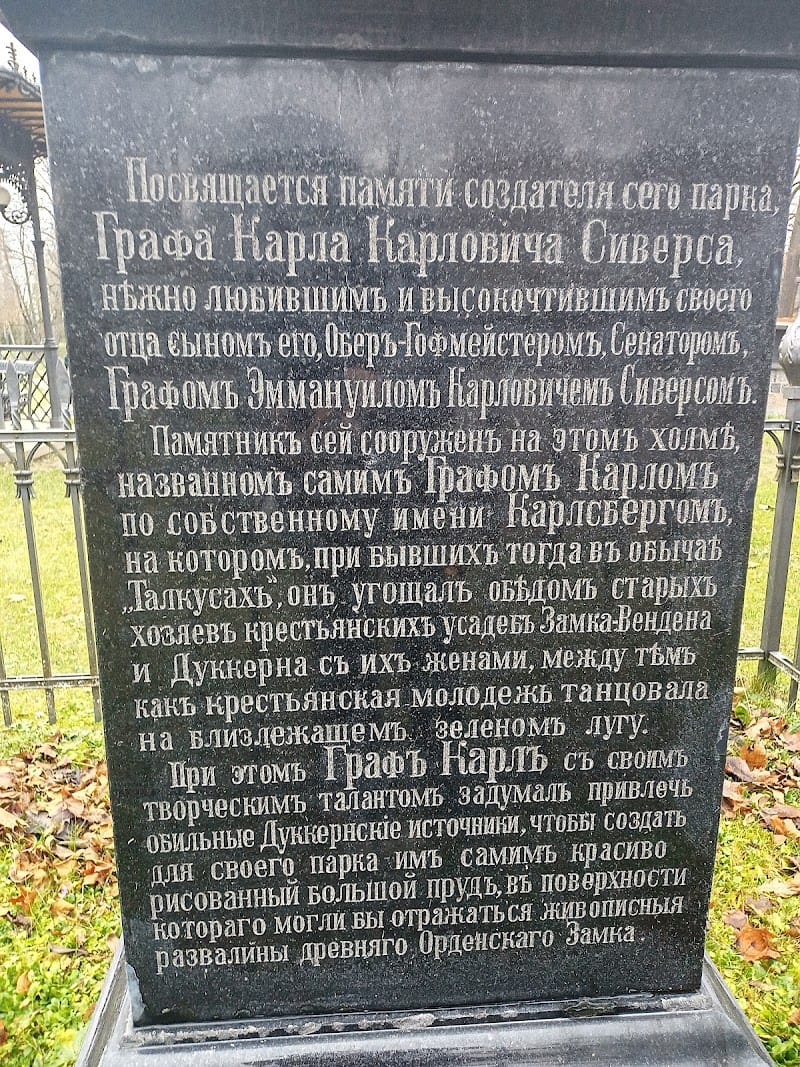
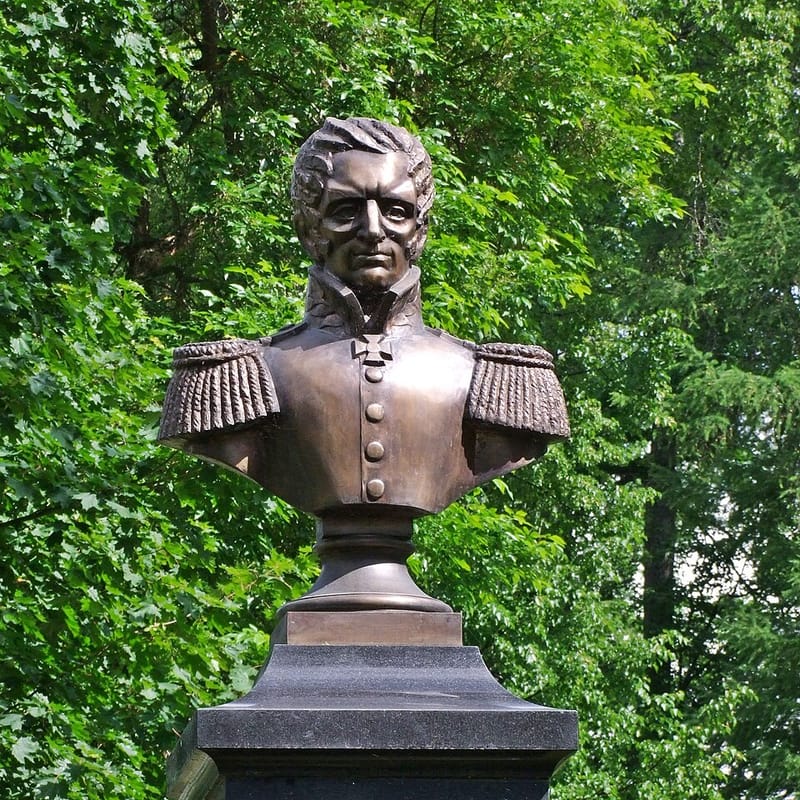
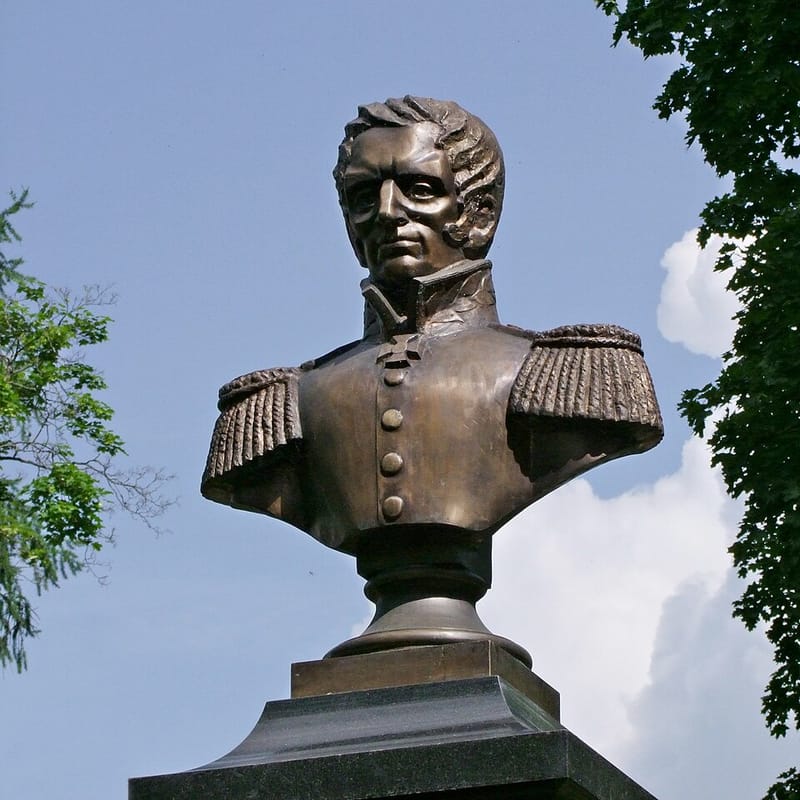
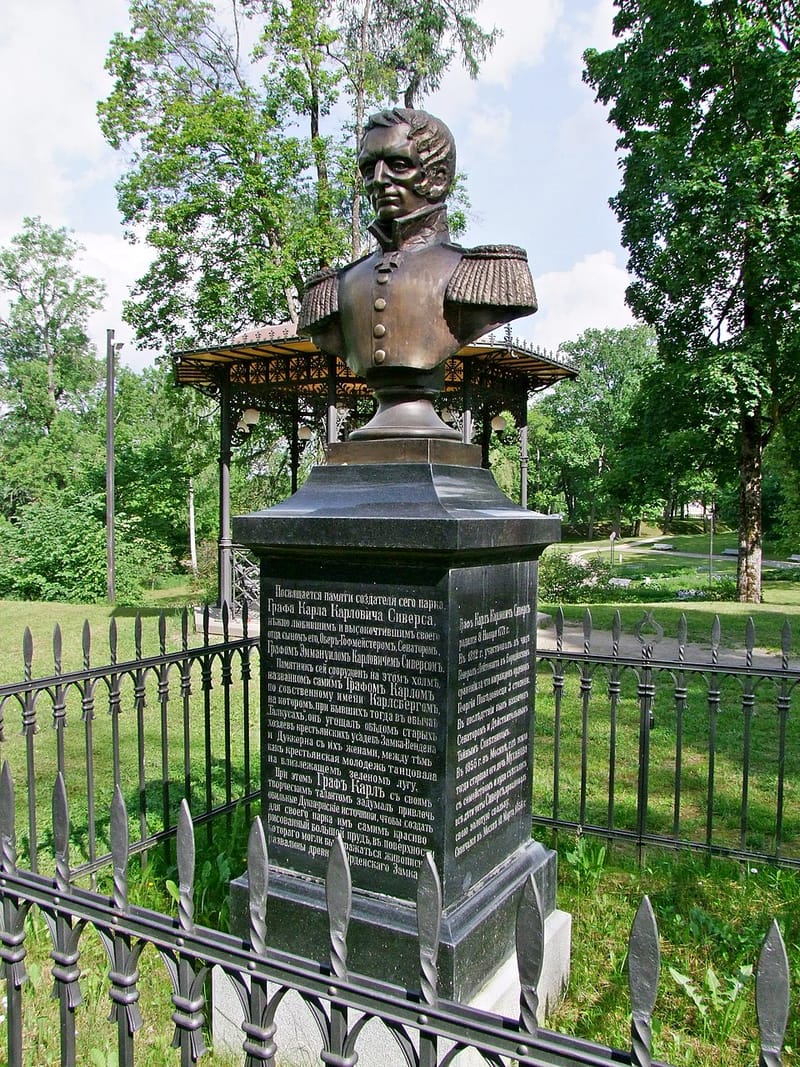
Count Carl Gustav von Sievers Monument
📍 Unnamed Road, Cēsis, Cēsu pilsēta, Cēsu novads, LV-4101, Latvia
Photos
The French invasion of Russia, also known as the Russian campaign, the Second Polish War, and in Russia as the Patriotic War of 1812, was initiated by Napoleon with the aim of forcing the Russian Empire to comply with the continental blockade of the United Kingdom. Widely studied, Napoleon's incursion into Russia remains a focal point in military history, recognized as among the most devastating military endeavors to ever unfold. In the span of less than six months, the campaign claimed the lives of around a million soldiers and civilians. Beginning on 24 June 1812, the initial wave of the multinational Grande Armée crossed the Neman River, marking the entry from the Duchy of Warsaw into Russia. Employing extensive forced marches, Napoleon rapidly advanced his army of nearly half a million individuals through Western Russia, encompassing present-day Belarus, in a bid to dismantle the disparate Russian forces led by Barclay de Tolly and Pyotr Bagration totaling approximately 180,000–220,000 soldiers at that juncture. Despite losing half of his men within six weeks due to extreme weather conditions, diseases and scarcity of provisions, Napoleon emerged victorious in the Battle of Smolensk. However, the Russian Army, now commanded by Mikhail Kutuzov, opted for a strategic retreat, employing attrition warfare against Napoleon compelling the invaders to rely on an inadequate supply system, incapable of sustaining their vast army in the field. In the fierce Battle of Borodino, located 110 kilometres (70 mi) west of Moscow, Napoleon was not able to beat the Russian army and Kutuzov could not stop the French. At the Council at Fili Kutuzov made the critical decision not to defend the city but to orchestrate a general withdrawal, prioritizing the preservation of the Russian army. On 14 September, Napoleon and his roughly 100,000-strong army took control of Moscow, only to discover it deserted, and set ablaze by its military governor Fyodor Rostopchin.
- 1 Widely studied, Napoleon's incursion into Russia remains a focal point in military history, recognized as among the most devastating military endeavors to ever unfold.
- 2 On 14 September, Napoleon and his roughly 100,000-strong army took control of Moscow, only to discover it deserted, and set ablaze by its military governor Fyodor Rostopchin.
- 3 Despite the consolidation of several retreating French corps with the main army, by the time he reached the Berezina river, Napoleon commanded only around 49,000 troops alongside 40,000 stragglers of little military significance.
Comments
No comments yet — be the first to share your visit (in the app).
Want to leave a review? Comments are written from inside the app — download Baltic Traveler to share your visit.