Kuressaare · Estonia
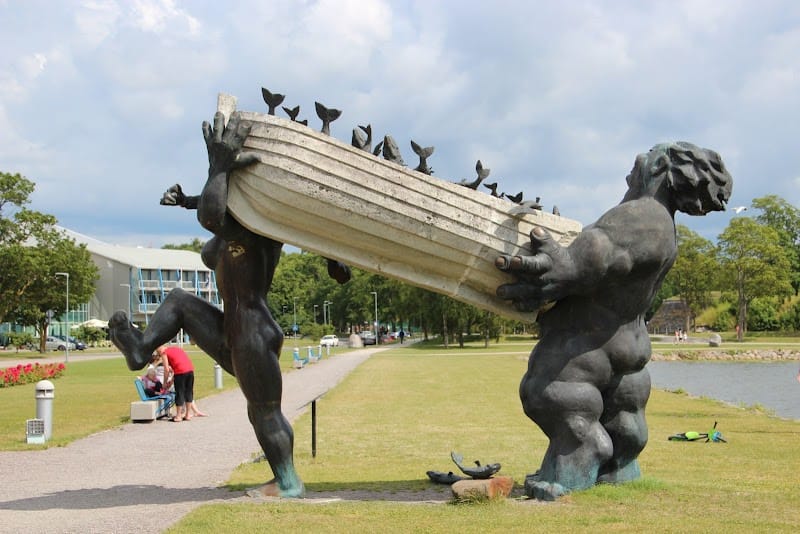
Suur Tõll ja Piret
📍 Pargi tn 15, Kuressaare, 93815 Saare maakond, Estonia
Photos
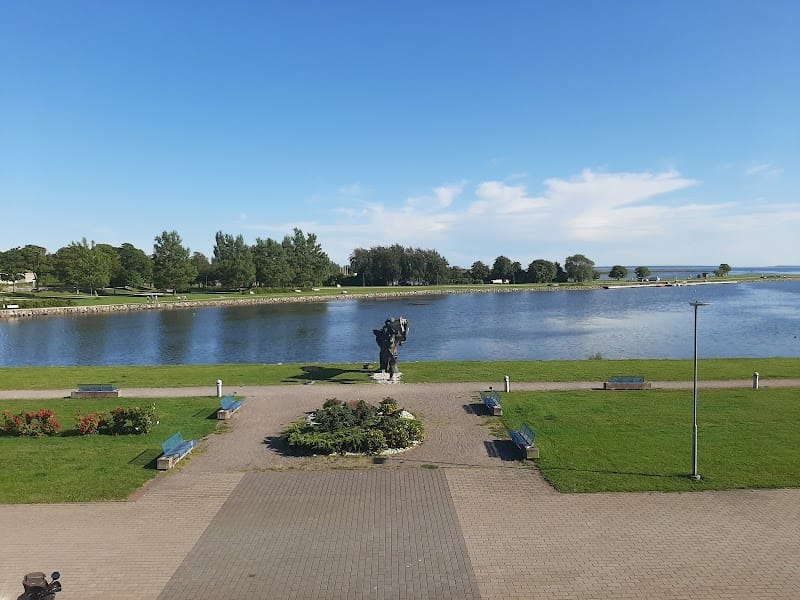
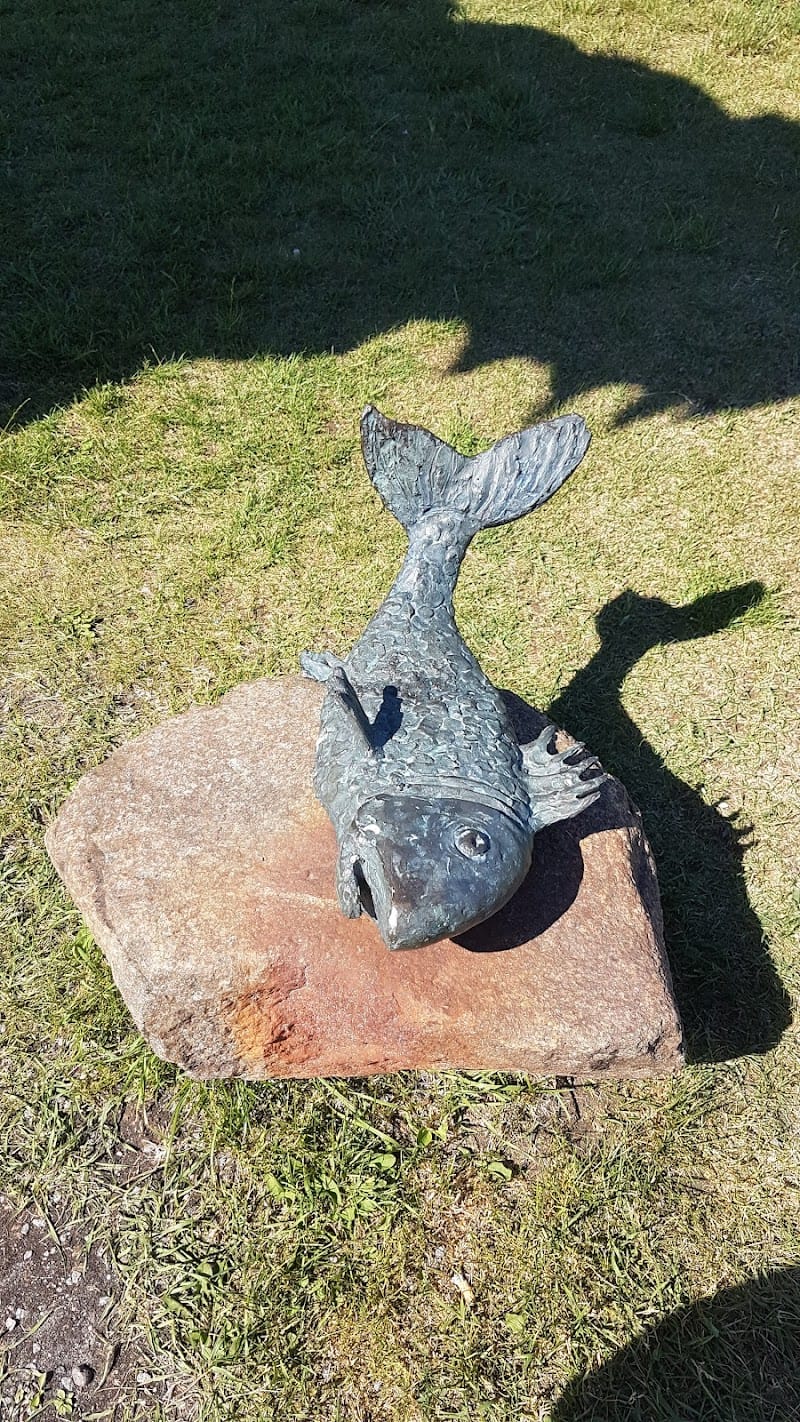
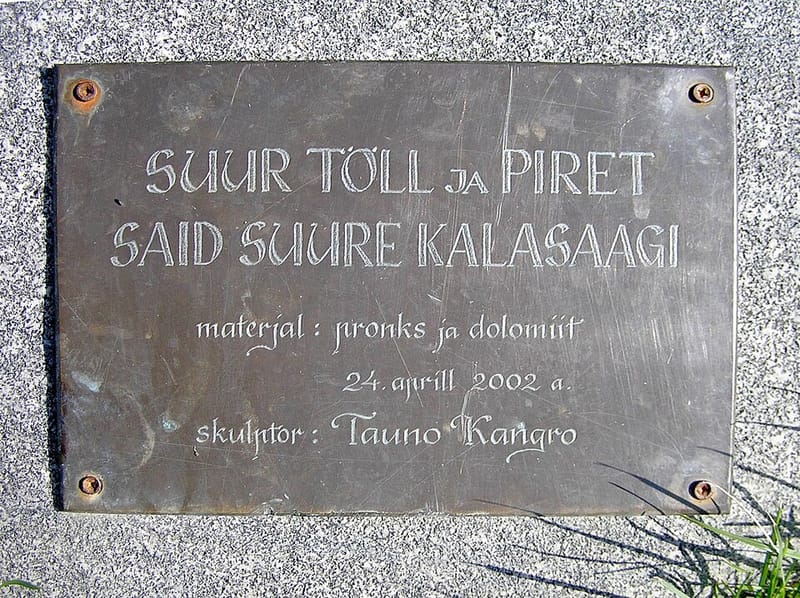
Estonian folkore includes elements of Estonian mythology and Baltic Finnic paganism. Henry of Livonia at the beginning of the 13th century described Estonian sacrificial customs, gods and spirits. Estonian folklore usually connects to features of the environment, such as sacred stones (erratics), springs, and groves (hiis). Estonian folk stories are known for figures such as Kalevipoeg, and Suur Tõll, the protector of the island of Saaremaa. The Estonian pantheon includes deities like Taara, the supreme god of nature. Other notable entities include the Kratt and the Libahunt, or werewolf, which is frequently associated with healers and is not necessarily viewed as malevolent within the Estonian context. Estonian folklore was one of the means of cultural preservation during centuries of colonization and foreign rule. In the absence of an independent state prior to 1918, the Estonian people maintained their culture through folklore.
- 1 Other notable entities include the Kratt and the Libahunt, or werewolf, which is frequently associated with healers and is not necessarily viewed as malevolent within the Estonian context.
- 2 Estonian folklore was one of the means of cultural preservation during centuries of colonization and foreign rule.
Comments
No comments yet — be the first to share your visit (in the app).
Want to leave a review? Comments are written from inside the app — download Baltic Traveler to share your visit.